Where History Meets Innovation

Cape Town's architectural landscape tells stories of centuries past while embracing bold contemporary vision. From colonial-era facades to striking glass structures, discover how the Mother City's buildings define its character.

Explore Our Tours
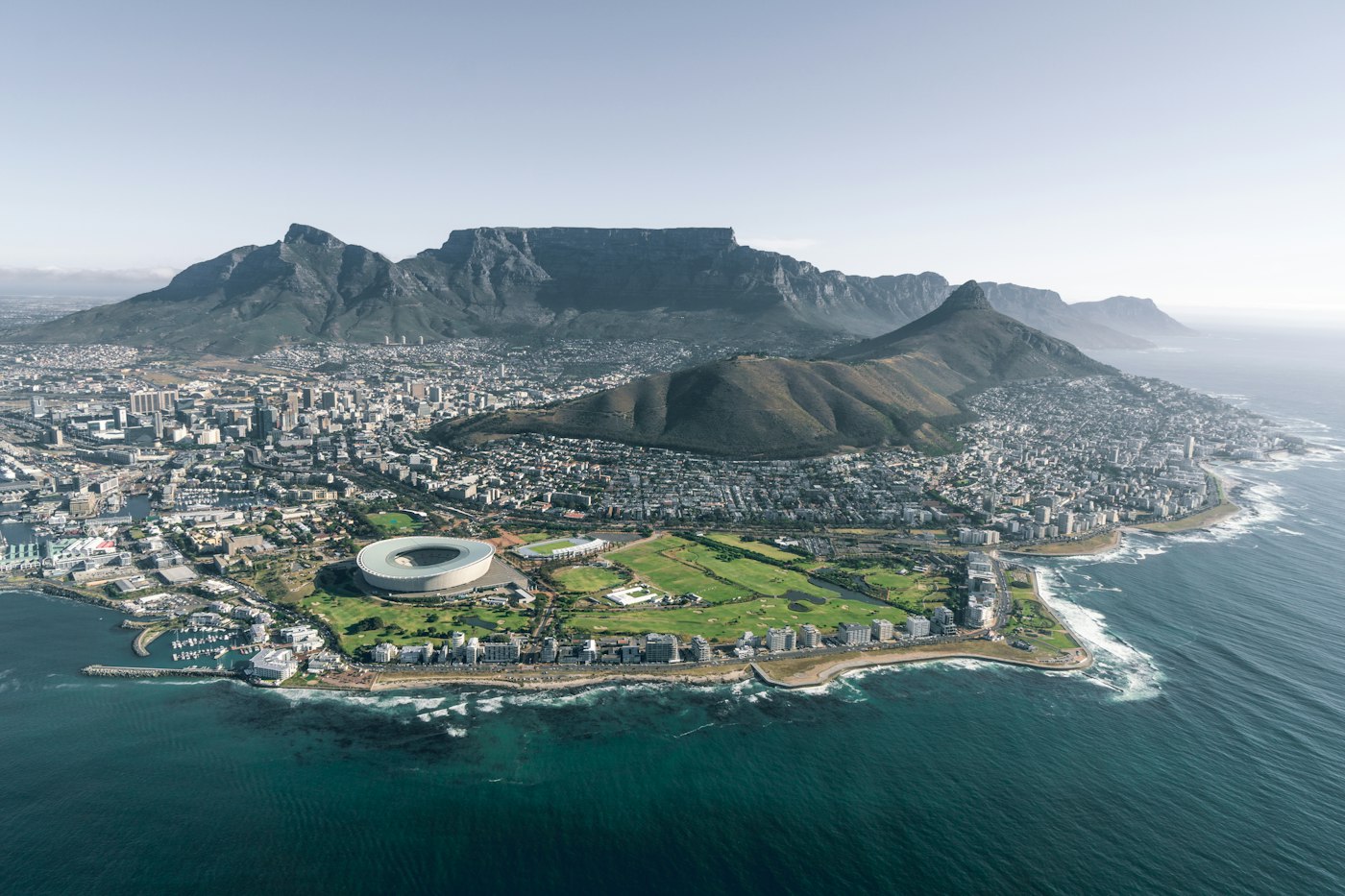
Cape Town cityscape with Table Mountain backdrop
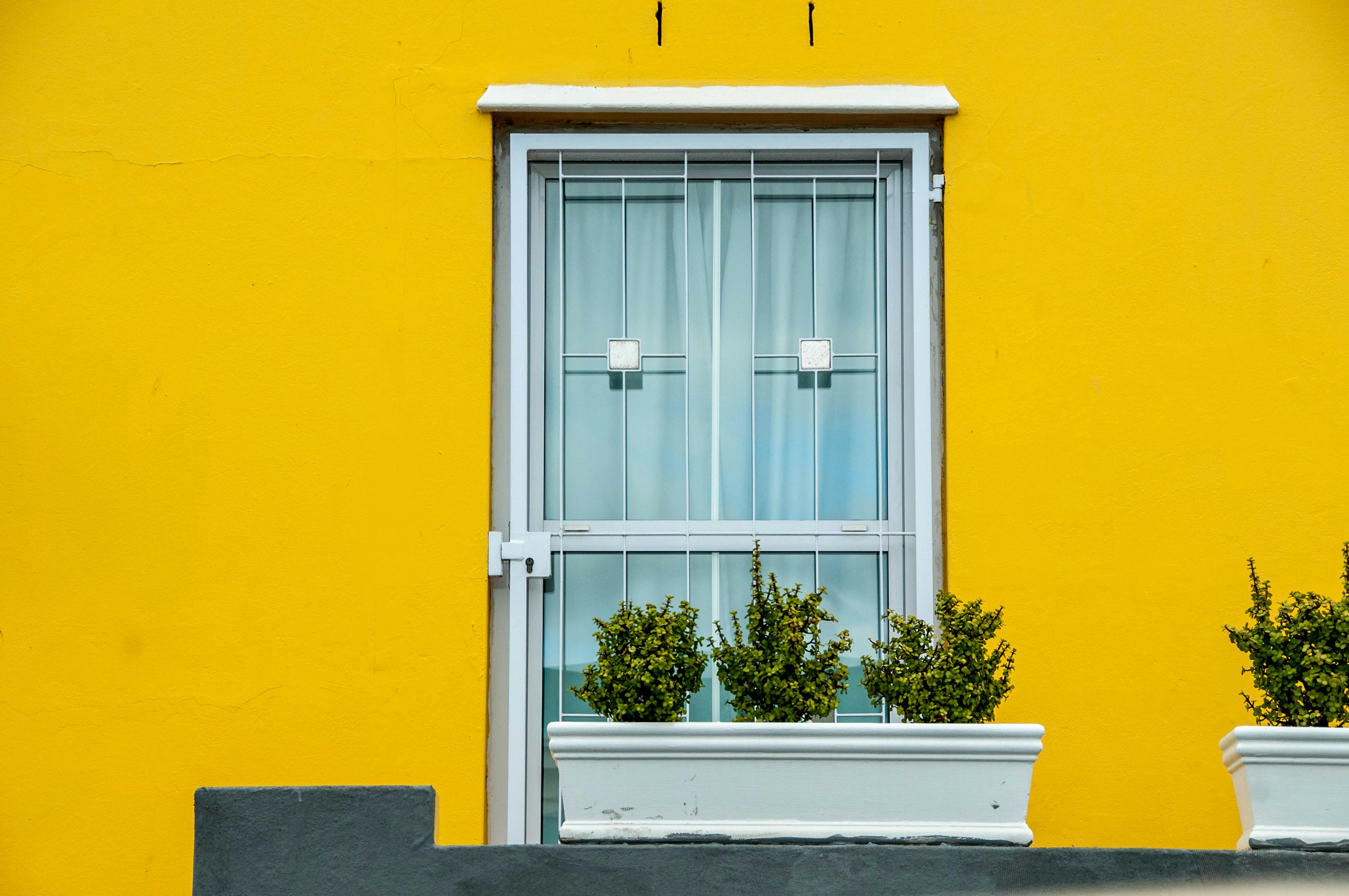
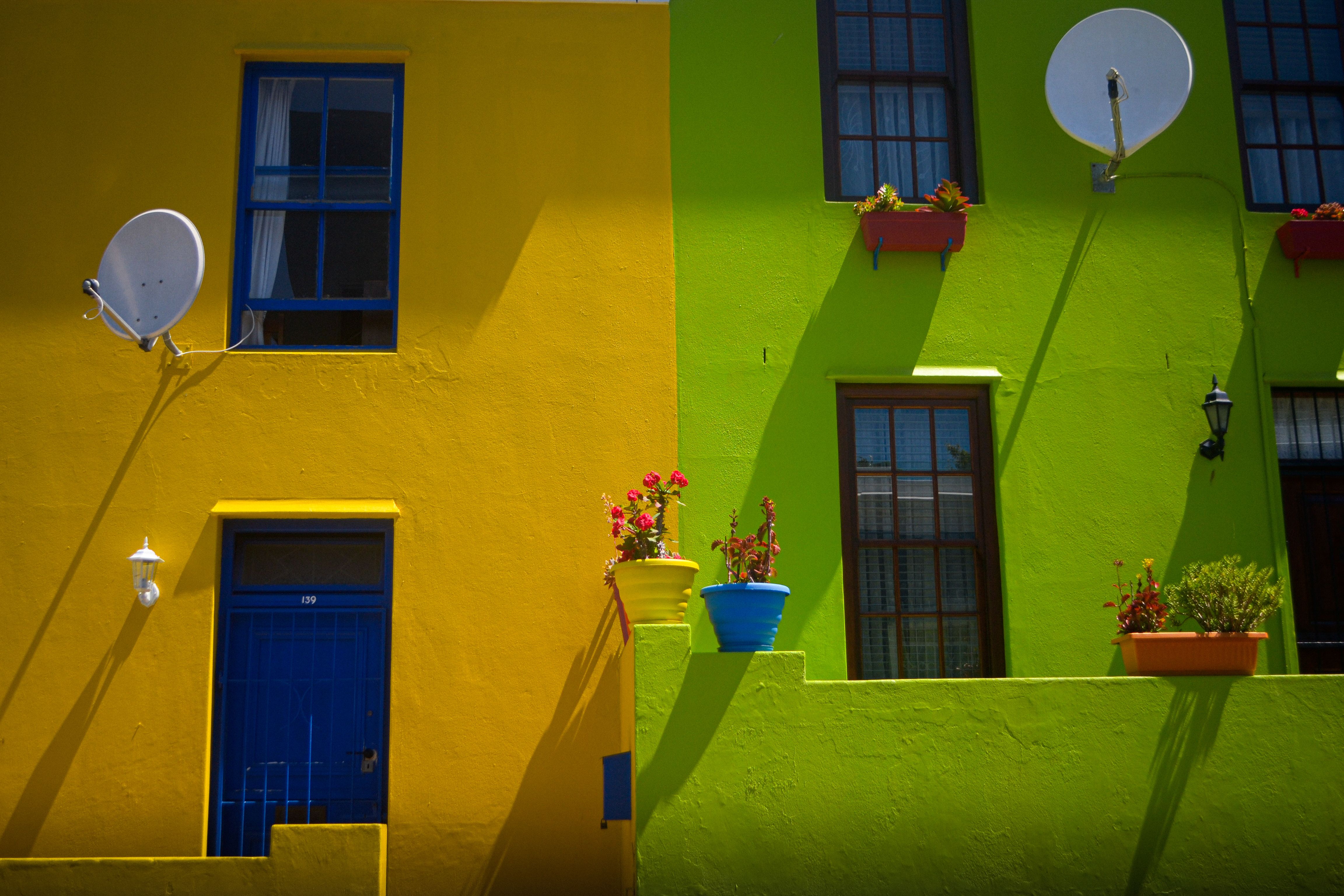
Historic Bo-Kaap colorful houses

Architectural Layers of the Mother City

Walking through Cape Town is like flipping through chapters of an architectural anthology. The city doesn't follow a single narrative. Instead, it presents a collision of Dutch colonial symmetry, Victorian elegance, Art Deco geometry, and contemporary glass minimalism.

Each district carries its own visual language. Bo-Kaap's vibrant facades speak of Malay heritage. The Waterfront's industrial bones have been reimagined as cosmopolitan gathering spaces. And in the city center, glass towers stand shoulder-to-shoulder with sandstone monuments.

Historic Districts That Shaped a City

Bo-Kaap remains one of Cape Town's most photographed neighborhoods, yet few visitors understand the architectural intentionality behind its colorful homes. These weren't always vibrant. The color came later as an expression of freedom and identity.

Company's Garden area preserves the geometric precision of Dutch urban planning. Wide avenues, symmetrical facades, and the integration of green spaces reflect 17th-century European ideals adapted to African conditions.

Woodstock and Observatory showcase Victorian-era expansion, where red-brick warehouses and cast-iron detailing reveal the industrial ambitions of the late 1800s.

Victorian architecture in Cape Town's historic center
Contemporary glass building in Cape Town

Contemporary Landmarks Redefining Skylines

The Zeitz Museum of Contemporary Art Africa transformed a 1920s grain silo into a sculptural landmark. Architect Thomas Heatherwick carved dramatic voids through the concrete tubes, creating cathedral-like interior spaces that honor industrial heritage while serving modern cultural needs.

Recent commercial developments along Bree Street and around the Foreshore demonstrate how Cape Town is embracing sustainable design. Green roofs, solar integration, and adaptive reuse have become standard rather than exceptional.

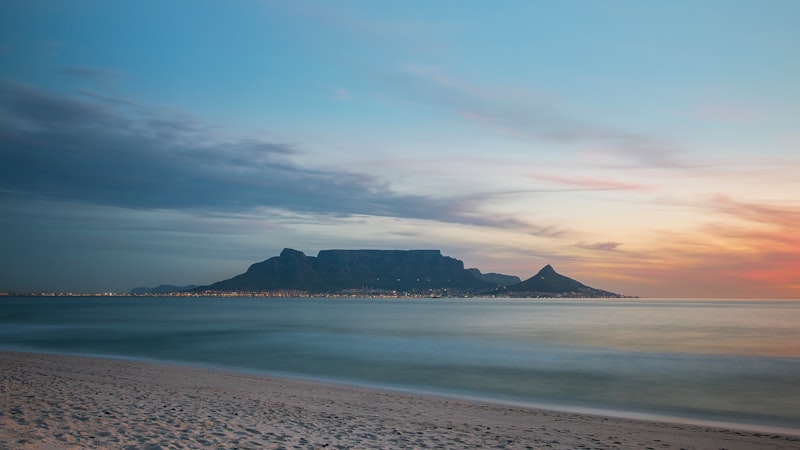
These buildings don't compete with Table Mountain. They complement it, using local materials and respecting sightlines that have defined the city for generations.
Curated Architectural Walking Tours

Each tour is led by registered architectural historians and includes detailed context about design decisions, historical influences, and urban development patterns.

Historic Cape Town street view

Colonial Heritage Walk

Explore Dutch East India Company architecture, Cape Georgian townhouses, and the evolution of urban planning from 1652 to 1910. Includes Castle of Good Hope, Company's Garden precinct, and Church Street examples.

Duration: 3 hours

R 475.00

Bo-Kaap colorful architecture

Bo-Kaap & District Six: Identity in Architecture

Understand how architecture reflects cultural resistance and community identity. Covers the colorful homes of Bo-Kaap, the demolished neighborhoods of District Six, and the ongoing reconstruction debates.

Duration: 2.5 hours

R 425.00

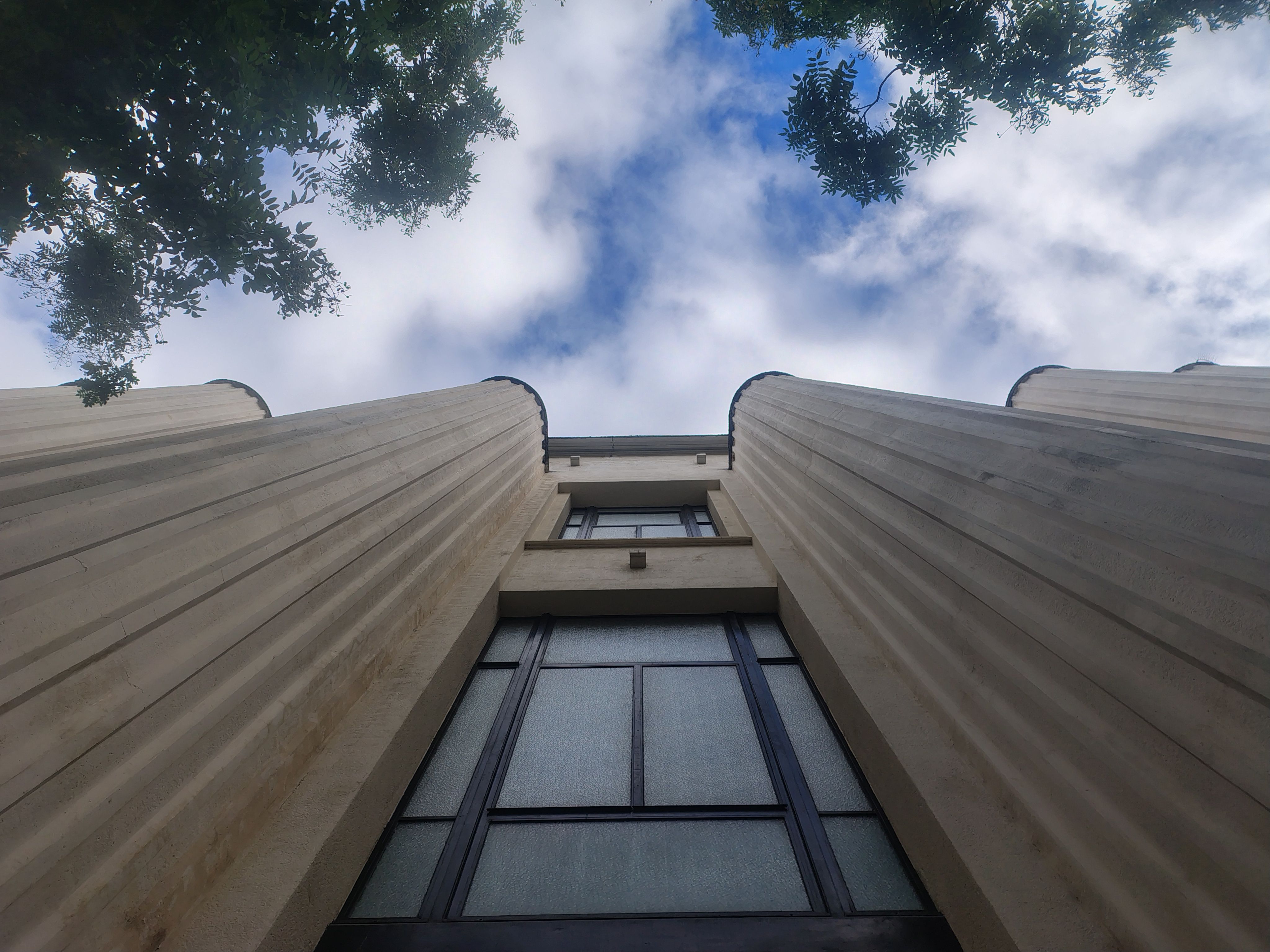
Art Deco building facade

Art Deco & Modernist Cape Town

Discover the 1930s-1960s architectural shift toward streamlined forms, geometric decoration, and functional elegance. Features key examples along Long Street, Strand Street, and the Foreshore development.

Duration: 2 hours

R 385.00

Modern waterfront architecture

Contemporary Icons: 21st Century Design

Examine recent architectural achievements including Zeitz MOCAA, UCT Graduate School of Business, and adaptive reuse projects transforming Woodstock warehouses. Focus on sustainability and context-responsive design.

Duration: 2.5 hours

R 525.00

Victorian industrial architecture

Industrial Heritage: Warehouses to Workshops

Trace the evolution of Cape Town's industrial zones from Victorian warehouses to contemporary creative hubs. Covers Woodstock, Salt River, and the changing architectural identity of working-class neighborhoods.

Duration: 3 hours

R 495.00

Cape Town suburban architecture

Southern Suburbs: From Estates to Garden Cities

Explore how Cape Dutch architecture influenced suburban planning. Includes Newlands, Bishopscourt estate architecture, and the Garden City movement's impact on Pinelands and surrounding areas.

Duration: 4 hours (includes transport)

R 685.00

Reserve Your Tour

Tours run daily except Mondays. Group sizes are limited to 12 participants to ensure quality interaction and detailed discussion. Private tours for groups of 6 or more can be arranged with advance notice.

All tours begin at our office in the city center. Specific meeting points and detailed itineraries are provided upon confirmation.

What Participants Say

"The Colonial Heritage Walk completely changed how I see the city center. I've walked these streets for years without understanding the architectural significance. The guide's knowledge of Dutch planning principles was remarkable."

— Jennifer M., Architectural Photographer

"The Bo-Kaap tour goes far beyond the Instagram facade. We learned about forced removals, community resilience, and how architecture became a form of cultural preservation. Essential for understanding Cape Town's history."

— Marcus T., Urban Planning Student

"I took the Contemporary Icons tour expecting a simple building showcase. Instead, we discussed sustainability challenges, heritage conservation conflicts, and the politics of skyline change. Intellectually rigorous and visually stunning."

— Amina K., Sustainable Design Consultant