Architectural Tours That Go Deeper
Each tour is designed around a specific historical theme or architectural movement. We cover design decisions, urban planning conflicts, and the social forces that shaped Cape Town's built environment.
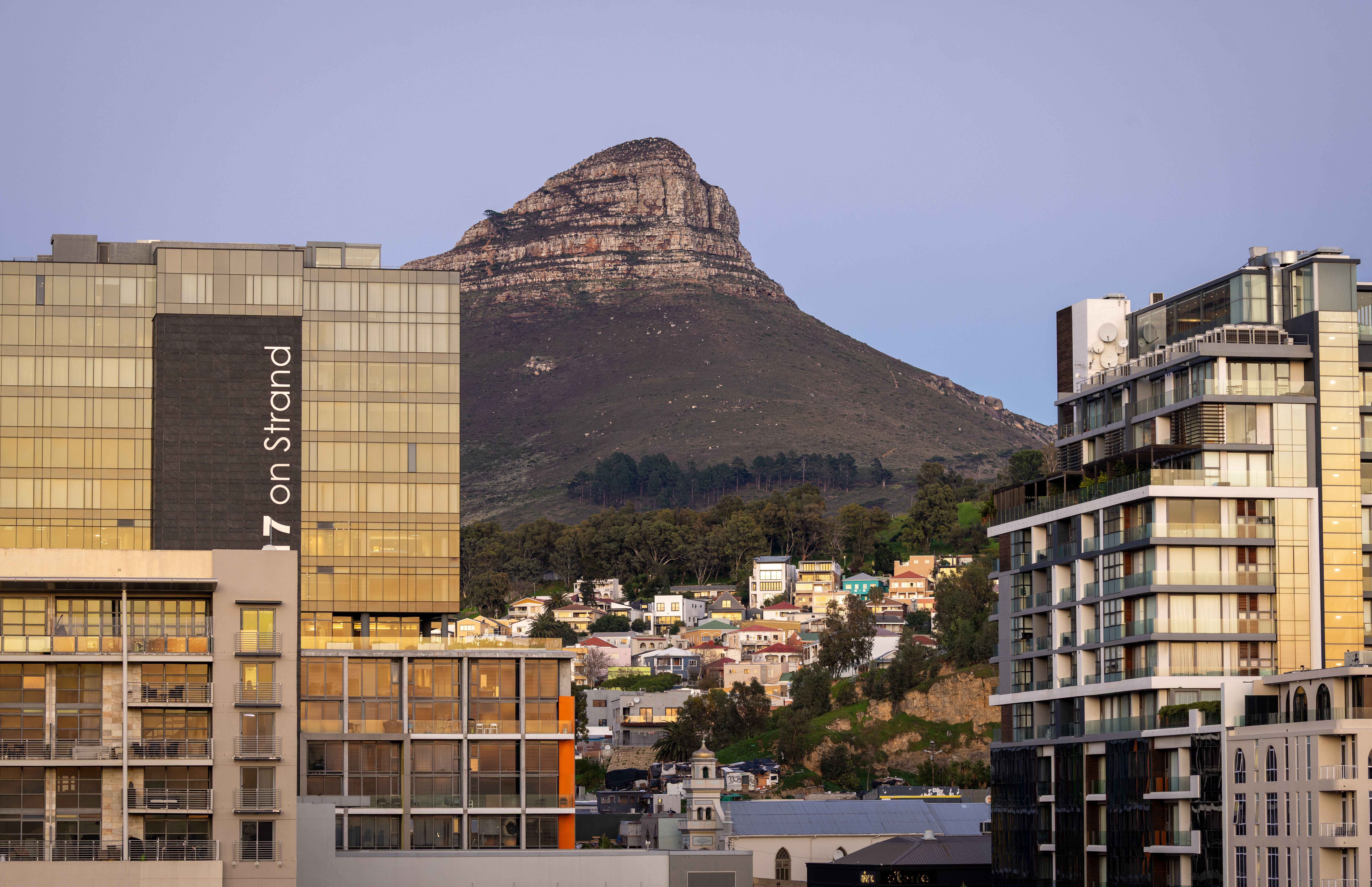
Each tour is designed around a specific historical theme or architectural movement. We cover design decisions, urban planning conflicts, and the social forces that shaped Cape Town's built environment.
All tours are led by registered architectural historians. Group sizes limited to 12 participants for quality discussion and site access.

Explore Dutch East India Company architecture, Cape Georgian townhouses, and the evolution of urban planning from 1652 to 1910. Includes Castle of Good Hope, Company's Garden precinct, and Church Street examples.
Duration: 3 hours
R 475.00

Understand how architecture reflects cultural resistance and community identity. Covers the colorful homes of Bo-Kaap, the demolished neighborhoods of District Six, and the ongoing reconstruction debates.
Duration: 2.5 hours
R 425.00
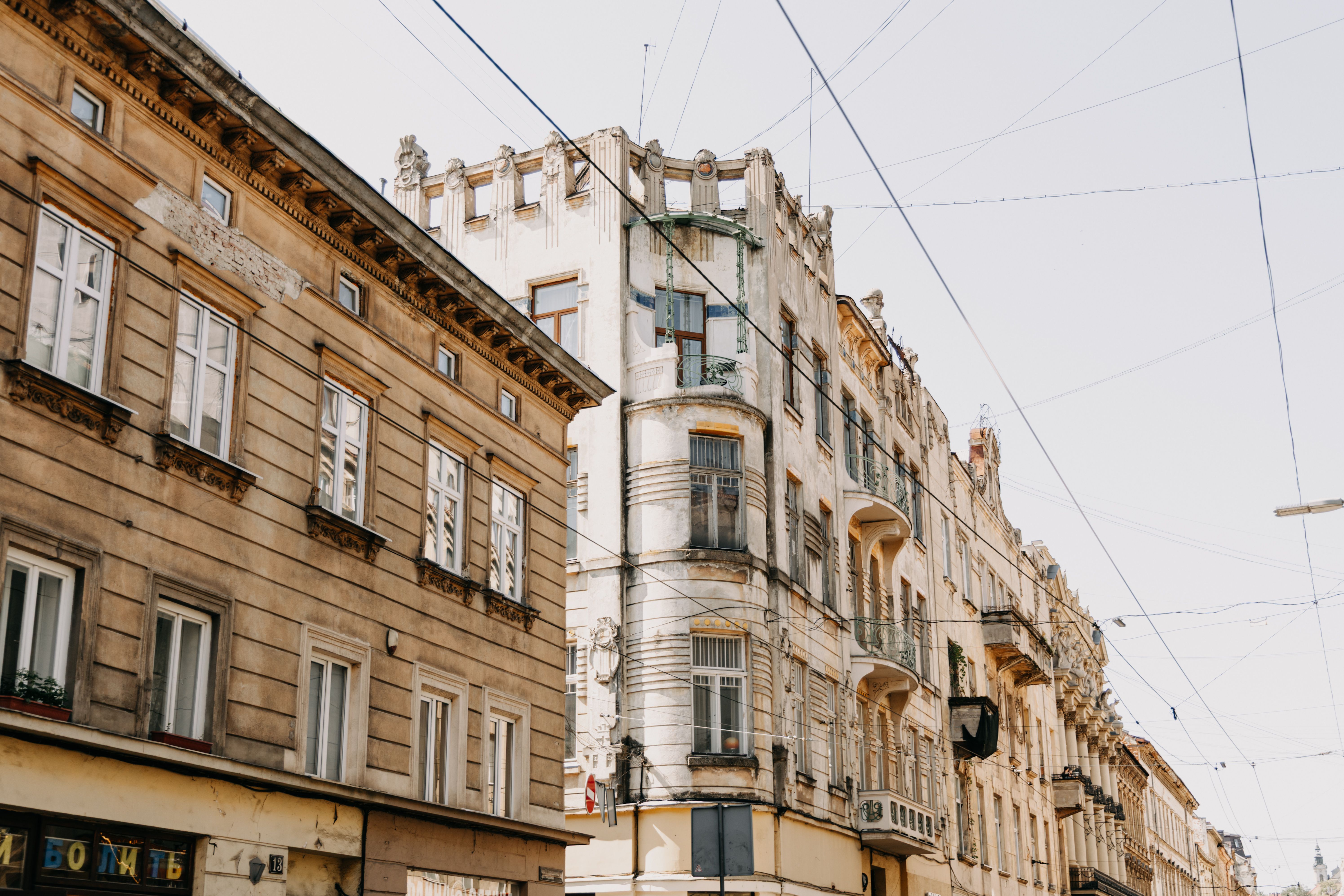
Discover the 1930s-1960s architectural shift toward streamlined forms, geometric decoration, and functional elegance. Features key examples along Long Street, Strand Street, and the Foreshore development.
Duration: 2 hours
R 385.00

Examine recent architectural achievements including Zeitz MOCAA, UCT Graduate School of Business, and adaptive reuse projects transforming Woodstock warehouses. Focus on sustainability and context-responsive design.
Duration: 2.5 hours
R 525.00

Trace the evolution of Cape Town's industrial zones from Victorian warehouses to contemporary creative hubs. Covers Woodstock, Salt River, and the changing architectural identity of working-class neighborhoods.
Duration: 3 hours
R 495.00

Explore how Cape Dutch architecture influenced suburban planning. Includes Newlands, Bishopscourt estate architecture, and the Garden City movement's impact on Pinelands and surrounding areas.
Duration: 4 hours (includes transport)
R 685.00
Tours operate daily except Mondays. We recommend booking at least one week in advance to ensure availability and to arrange any special access permits for interior visits.
Private group tours for 6 or more participants can be customized to focus on specific architectural periods or neighborhoods of interest.
All participants receive a detailed itinerary, archival photographs, and a reference list for further reading.